Planned Giving vs. Major Giving
Updated May 20, 2026

While both planned giving and major giving strategies drive significant philanthropic missions, they differ in timing, structure, marketing approach and the donor's engagement.
Planned giving typically involves strategic, often future-oriented gifts arranged through the donor's financial or estate plans, such as bequests, charitable trusts or gift annuities. These gifts are often larger in scale, but if realized after the donor's passing or at a later date, they enable donors to make a substantial impact without affecting their current financial cash flow. Planned giving offers long-term funding through tax-efficient giving vehicles that offer donors financial benefits such as estate tax reductions, charitable deductions and the potential for stable income in the future.
Major giving refers to high-value, often immediate contributions made to fund large-scale projects, capital campaigns or high-priority initiatives. Major gifts can be given during the donor's lifetime and are typically intended to create an immediate or short-term impact. These gifts are often unrestricted or designated for specific programs and may include cash, stock or property.
In both cases, donors make a meaningful difference, but the primary distinction lies in the timing of the gift, the financial planning involved, and the level of engagement with the organization. Planned giving is often more about long-term legacy, while major giving can be about addressing immediate needs and forging a deeper connection with the organization's vision. High-performing nonprofits integrate both into a unified, multi-channel fundraising strategy. In this article, we will explore the different types of gifts.
1. IRA Qualified Charitable Distribution (QCD)

IRA charitable rollover gifts, also known as Qualified Charitable Distributions (QCDs), enable donors aged 70½ or older to make tax-advantaged contributions directly from their Individual Retirement Account (IRA) to a qualified charitable organization. This is one of the most effective giving opportunities. These contributions, up to the annual limit each year, count toward the donor's Required Minimum Distribution (RMD) but are excluded from taxable income, providing a significant tax benefit.
Donors instruct their IRA administrator to transfer funds directly to the charity of their choice. The funds must go directly to the charity to qualify as a QCD and cannot be withdrawn by the donor first. This option is ideal for donors who want to reduce their taxable income, especially those who no longer itemize deductions under current tax laws.
IRA charitable rollover gifts provide an impactful way to support charitable organizations while satisfying annual RMD requirements in a tax-efficient manner. Donors should consult their advisors for more information on how these gifts may impact their tax situation.
Examples:
- Animal Shelter: A donor uses an IRA rollover gift to fund the construction of a new animal rehabilitation center, providing a safe space for injured or abandoned pets.
- Public Radio Station: A donor contributes directly from her IRA to support the expansion of local public radio news programming, ensuring quality journalism for their community.
2. Donor Advised Fund (DAF)

A donor advised fund (DAF) are one of the fastest-growing charitable giving tools. It allows donors to create a charitable investment account, with tax-deductible contributions and the flexibility to recommend grants to charities over time. This flexibility makes DAFs an attractive option for those seeking to strategically time their charitable contributions while enjoying tax benefits. Additionally, DAFs consolidate recordkeeping by serving as a single source for all donors' donations.
DAFs also provide privacy, as contributions can be made anonymously. Families often use DAFs to instill a sense of philanthropy in future generations by naming children or grandchildren as co-advisors. Furthermore, the investments in a DAF grow tax-free, enabling greater contributions to the causes donors care about over time.
Examples:
- Children's Hospital: A donor uses a DAF to contribute over several years to a hospital specializing in children's health care, making targeted grants to support new pediatric therapies and medical technologies.
- University: The donor establishes a DAF to support the university's engineering department and simplify tax reporting for the donor.
3. Bargain Sale

In a bargain sale, donors sell an asset, such as real estate, securities or other valuable property, to a charitable organization at a price below its fair market value. The difference between the sale price and the asset's value is considered a charitable contribution, allowing the donor to receive cash proceeds and claim a tax deduction.
This approach provides donors with immediate cash from the below-market value sale, while also supporting a charitable cause. Additionally, donors may benefit from reduced capital gains taxes and the ability to make a significant philanthropic impact without parting with the full value of their asset.
This option is ideal for donors looking to generate liquidity or reduce the tax burden on appreciated assets while supporting the mission of their chosen charitable organization.
Examples:
- Community Hospital: A donor sells a parcel of undeveloped land to a hospital at a discounted price, helping to build a new outpatient care facility while receiving a charitable deduction and partial cash proceeds.
- Environmental Organization: A donor sells a family-owned forest property to an environmental organization at below-market value, ensuring the area is conserved while receiving cash to reinvest and a tax deduction.
4. Endowment Gift

With an endowment gift, the donor provides a permanent source of funding for a nonprofit organization. The principal of the gift is invested, and the income generated from these investments supports the organization's mission in perpetuity.
Endowment gifts are particularly valuable because they ensure long-term financial stability for the nonprofit organization, allowing it to continue its work without relying solely on annual fundraising efforts. The principal is typically never spent, ensuring that the gift's impact will be felt for generations to come.
Endowment gifts provide a lasting legacy for donors, as they ensure that their contribution continues to make a difference long after they are gone. Donors often receive an income tax deduction for the full value of the gift at the time it is given. Donors can feel confident that their generosity will support the organization's mission in a sustainable way.
Examples:
- Theater Company: The donor contributes to an endowment fund that will support the production of new plays and educational programs for young artists, providing ongoing funding for theater initiatives in the community.
- Hospice Care Organization: A donor funds an endowment to support hospice care services, ensuring that families in need will have access to compassionate end-of-life care, with the funds sustaining the organization's work indefinitely.
5. Gifts of Stocks and Bonds
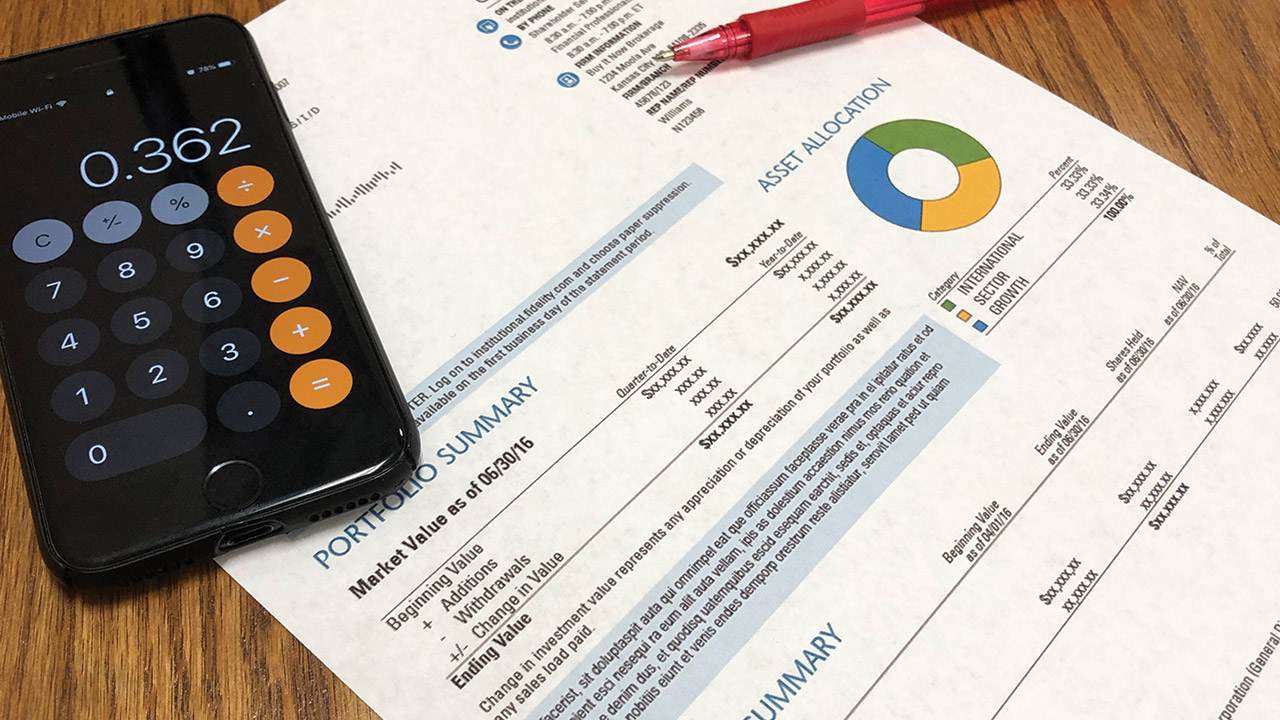
Gifts of stocks and bonds allow donors to maximize their giving while leveraging significant tax advantages. By donating appreciated securities directly to a nonprofit organization, donors can avoid capital gains taxes and maximize charitable deductions for the full fair market value of the asset. This dual benefit can make gifts of stocks and bonds a highly effective major gift strategy.
Many organizations have systems in place to accept securities, streamlining the donation process. When donors transfer stocks or bonds, the receiving nonprofit can sell the assets and use the proceeds to fund their mission. This type of giving is particularly attractive for donors with long-term investments that have grown significantly in value.
Examples:
- Public Library: A stock donation establishes an endowment for literacy programs, ensuring free tutoring and book distribution for underserved communities.
- Symphony Orchestra: Bonds are gifted to create a music education scholarship program, fostering talent among young musicians.
6. Gifts of Real Estate

Donating real estate is a powerful way to support charitable causes while realizing significant tax benefits. Whether it's a home, commercial property, farmland or undeveloped land, gifts of real estate allow donors to avoid capital gains taxes, receive a charitable deduction for the property's fair market value and remove the property from their taxable estate.
Real estate donations offer significant tax advantages and can unlock major funding opportunities for nonprofits through property liquidation or retained life estate arrangements. Retained life estates allows donors to continue living in the property for their lifetime while securing a future gift for the organization. These donations can provide transformational funding for nonprofits while also simplifying the donor's financial planning.
Examples:
- Youth Center: A commercial building is donated to establish a new after-school program for underserved communities, providing a safe and enriching space for children.
- University: A family donates farmland, which is sold by the university to endow scholarships for agricultural science students, fostering the next generation of innovators.
7. Gifts of Cash

Cash donations are the simplest and most immediate way to support a nonprofit organization. Donors can give by check, credit card or wire transfer, providing nonprofits with the flexibility to use funds where they are most needed. Cash gifts are flexible, straightforward and may be fully deductible for those who itemize their taxes.
Because cash gifts are unrestricted unless otherwise specified, they empower organizations to respond quickly to emerging needs, sustain ongoing programs or invest in long-term initiatives.
Examples:
- Disaster Relief Organization: A donor gives a cash gift to provide immediate aid during a natural disaster, ensuring food, water and shelter reach affected families quickly.
- Environmental Nonprofit: A cash gift supports the purchase of solar panels for a conservation center, reducing its carbon footprint and operational costs.
8. Gifts of Life Insurance

Gifts of life insurance are a creative way to make a significant charitable contribution, often far exceeding what a donor might be able to give in cash or other assets. Existing policies that are no longer needed for their original purpose can be transferred to a nonprofit, or donors can create a new policy with the organization as the beneficiary.
Premium payments made by the donor may also qualify as tax-deductible contributions if the nonprofit owns the policy.
Examples:
- Education Institution: A donor sets up a new life insurance policy with the university as the owner and beneficiary. Premium payments made during the donor's lifetime help fund an endowment for academic programs, such as research grants or faculty development.
- Environmental Organization: A donor transfers ownership of a life insurance policy to an environmental nonprofit. The organization receives the premium payments during the donor's life, using the funds to support conservation projects and environmental education initiatives.
9. Gifts of Mineral Interests

Gifts of mineral interests, such as oil, gas or mining rights, provide a unique way to support charitable organizations. Donors can contribute outright ownership of their mineral rights or assign a percentage of royalties, allowing nonprofits to benefit from the revenue generated by these assets.
By donating mineral interests, donors may avoid capital gains taxes on the appreciation of the asset's value and receive a charitable deduction for its fair market value. These gifts also simplify estate planning while creating a lasting legacy to support the causes donors care about.
Examples:
- Rural Healthcare Nonprofit: A donor assigns royalties from a mining operation to sustain mobile health clinics in underserved areas.
- Historic Preservation Society: Mineral rights revenue funds the restoration and maintenance of culturally significant landmarks, safeguarding them for future generations.
10. Gifts of Farm Interests

Gifts of farm interests, including farmland, agricultural equipment or livestock, support charitable causes while offering significant tax advantages. Donors can contribute full or partial ownership of their farm assets, or designate revenue from farming operations, such as crop sales or grazing rights, to benefit a nonprofit organization.
These gifts allow donors to avoid capital gains taxes on appreciated farmland or assets while receiving a charitable deduction for its fair market value. For those with a legacy of farming, these donations also offer a way to preserve their values and make a lasting impact on causes they care about.
Examples:
- Food Security Nonprofit: Revenue from donated crop sales provides funding for hunger relief programs, ensuring access to fresh produce for families in need.
- Conservation Organization: A family gifts farmland to be restored as a natural habitat, supporting wildlife and improving local ecosystems.
For nonprofit professionals, the most effective fundraising programs integrate both major and planned gifts. By integrating a major and planned giving program into a cohesive, multi-channnel fundraising strategy can enhance your organization's long-term success. By leveraging digital tools, data-driven segmentation and automated outreach, organizations can increase donor engagement, grow endowment revenue and maximize lifetime donor value.
The next article, Why You Need a Marketing Program for Planned Giving and Major Giving, explains why a broad gift planning program is an essential component of any comprehensive fundraising plan.
